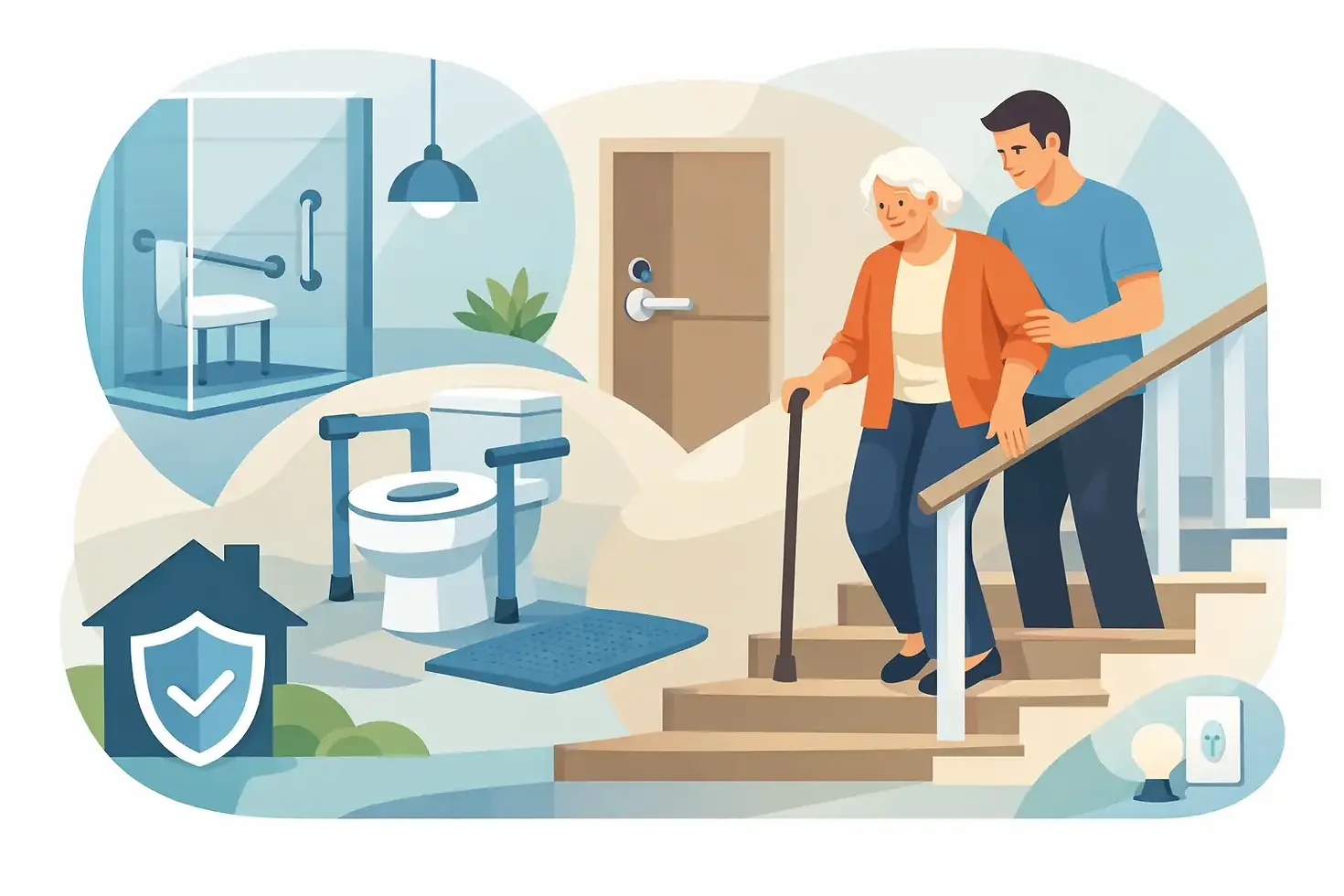
Home Repairs for Seniors That Make Daily Life Safer
A loose handrail does not look like an emergency until someone misses a step.
That is the reality behind many home repairs for seniors. Small issues that younger homeowners may put off for months can create real safety problems for older adults. A sticking door, poor lighting, uneven flooring, or a bathtub with no grab support can change how safe a home feels day to day. The goal is not to turn a house into a hospital. It is to make it easier to live in, easier to maintain, and less likely to cause an avoidable injury.
For many families, the best approach is practical. Start with the repairs that remove immediate risk, then move to upgrades that improve comfort and accessibility over time. That keeps the work manageable and helps homeowners make sound decisions without overbuilding or overspending.
Why home repairs for seniors matter more than people think
Most age-related home problems are not dramatic. They build slowly. The porch step settles a little. The bathroom floor gets slick. The kitchen lighting gets dimmer than it should be. A water heater starts leaking, or a roof issue leads to staining and moisture where footing should stay dry.
Each problem on its own may seem minor. Together, they can make a home harder to navigate and more stressful to maintain. That affects more than safety. It affects independence.
Good repair work supports daily routines. It helps someone move from room to room with more confidence. It reduces the odds of falls, strain, and emergency calls. It also protects the value of the property, which matters whether the plan is to stay in the home long term or prepare it for sale later.
The repairs that usually come first
The first priority is usually hazard reduction. If a repair affects safe movement through the home, it should move to the top of the list.
Stairways are a common starting point. Handrails need to be solid, properly anchored, and easy to grip. Steps should be level and well lit. If treads are damaged or uneven, that is not cosmetic work. It is a safety repair.
Bathrooms often come next because they combine water, hard surfaces, and tight spaces. Loose tile, soft flooring, failing caulk, and outdated tubs or showers can all become problems. In some homes, a simple set of changes makes a big difference - secure grab bars, a better-height toilet, improved lighting, and flooring that gives more traction.
Entry points matter too. Seniors do better when getting in and out of the home feels stable and predictable. That may mean repairing a cracked walkway, replacing a worn threshold, fixing a storm door that swings awkwardly, or rebuilding porch steps that have shifted over time.
Then there are the basic systems that keep a house livable. Plumbing leaks, damaged drywall, roofing issues, and faulty ventilation are not always labeled as accessibility concerns, but they affect comfort and safety just the same. A home does not need specialty features if it also has unresolved repair problems making daily life harder.
Where aging in place repairs make the biggest difference
When homeowners talk about staying in their homes longer, they are usually talking about a handful of spaces: the bathroom, kitchen, entryway, and main-floor living areas. That is where repair and remodeling work has the clearest payoff.
Bathroom updates
Bathrooms are often the most important room to address. A senior may be able to manage a lot of inconveniences elsewhere in the house, but not a slippery shower or a low toilet that is hard to use safely.
Sometimes the right solution is modest. Reinforcing walls for grab bars, replacing damaged flooring, improving lighting, and correcting water-damaged areas can make the room far more dependable. In other homes, the better move is a more substantial upgrade, such as converting an old tub setup into a walk-in shower with easier access.
The right scope depends on the condition of the room and the homeowner's current needs. If the bathroom already needs repair, that is often the best time to make accessibility improvements instead of patching today and remodeling later.
Kitchen function
Kitchens can become difficult to use when storage is too high, lighting is poor, or flooring is uneven. Repairs here are often about reducing strain. That might mean fixing subfloor issues, improving task lighting, replacing damaged cabinets, or adjusting layout features during a renovation.
Not every senior needs a full kitchen remodel. Sometimes the biggest improvement is simply making sure the space is safe, bright, and easy to move through. But if multiple issues are stacking up, a larger project may be more cost-effective than piecemeal fixes.
Main-floor living
A house becomes easier to age in when key daily functions happen on one level. That does not always require a major addition or redesign. It may mean repairing a first-floor bathroom, converting a room to a bedroom, widening a doorway during other renovation work, or addressing flooring transitions that create tripping hazards.
This is where practical planning matters. The best solution is not the most complicated one. It is the one that fits how the homeowner actually lives.
What families often overlook
Many people focus only on visible accessibility items and miss the repair issues underneath them.
Lighting is a big one. A home can have strong railings and grab bars, but if the hallway, basement steps, or exterior entry are dim, risk remains high. Electrical updates, fixture replacement, and better placement can make a home feel safer immediately.
Another overlooked issue is deferred maintenance. Roof leaks, soft subflooring, damaged drywall, and aging plumbing do not wait patiently while families decide what to do. If a senior is already living with these issues, postponing them usually raises the cost and the risk.
Temperature control matters too. Drafty windows, poor insulation, and failing ventilation can make parts of the home uncomfortable or hard to use. Seniors are often more affected by heat, cold, and humidity than younger adults. Comfort is not a luxury item. It is part of a functional home.
How to plan home repairs for seniors without getting overwhelmed
The easiest mistake is trying to solve everything at once. The second easiest mistake is fixing only the obvious surface issue without looking at the larger problem.
A better approach is to group the work by urgency and by trade overlap. If a bathroom has floor damage, plumbing concerns, and accessibility needs, it makes sense to handle that room as one coordinated project. If entry steps are failing and the handrail is loose, those should be repaired together.
It also helps to think in terms of use, not just condition. Ask which parts of the home are used every day, which repairs would reduce risk right away, and which larger updates could prevent repeat work later. That keeps the scope grounded in real life.
For homeowners in Pennsylvania dealing with both immediate repairs and longer-term planning, working with one contractor who can address multiple categories is often the simplest path. Instead of piecing together separate calls for drywall, exterior repairs, bathroom work, and other issues, the work can be reviewed as a whole and prioritized clearly.
When a small repair is enough and when a bigger project makes sense
This is where honesty matters.
Sometimes a focused repair is the right answer. Replacing a damaged section of flooring, securing railings, fixing a leaking water heater, or correcting a lighting issue can solve the problem cleanly and affordably.
Other times, repeated patchwork stops making sense. If a bathroom has outdated fixtures, moisture damage, poor layout, and no accessibility support, doing one small fix at a time can cost more in the long run. The same is true for kitchens, roofs, and other major systems. If the room or component is already failing in several ways, a broader repair or remodel may be the smarter investment.
A dependable contractor should be direct about that. Not every house needs a full renovation. But when larger work is warranted, homeowners deserve a clear explanation of why, what it solves, and how it supports safe long-term use of the home.
Choosing the right contractor for senior home repairs
For this kind of work, communication matters as much as craftsmanship. Families need someone who can identify safety concerns, explain options plainly, and complete the work with consistency. They also need a contractor who understands that these projects are rarely just about appearance. They are about function, safety, and peace of mind.
That is especially true when multiple repairs are involved. A homeowner may need exterior step repairs, bathroom improvements, drywall replacement, and plumbing-related fixes at the same time. Managing all of that through separate vendors creates delays and confusion. A single contractor with broad residential repair experience can make the process far more straightforward.
J Hershey Construction approaches these projects with that mindset - practical solutions, quality workmanship, and transparency about what the home needs now versus what can wait.
The best home repairs for seniors are not flashy. They are the ones that make ordinary life feel steady again. A safer bathroom, a solid handrail, a dry floor, a reliable entryway - those are the changes that help a homeowner stay comfortable in the place they know best. If a house is asking for attention, taking care of the right repairs now can make the next several years a lot easier.


Comments